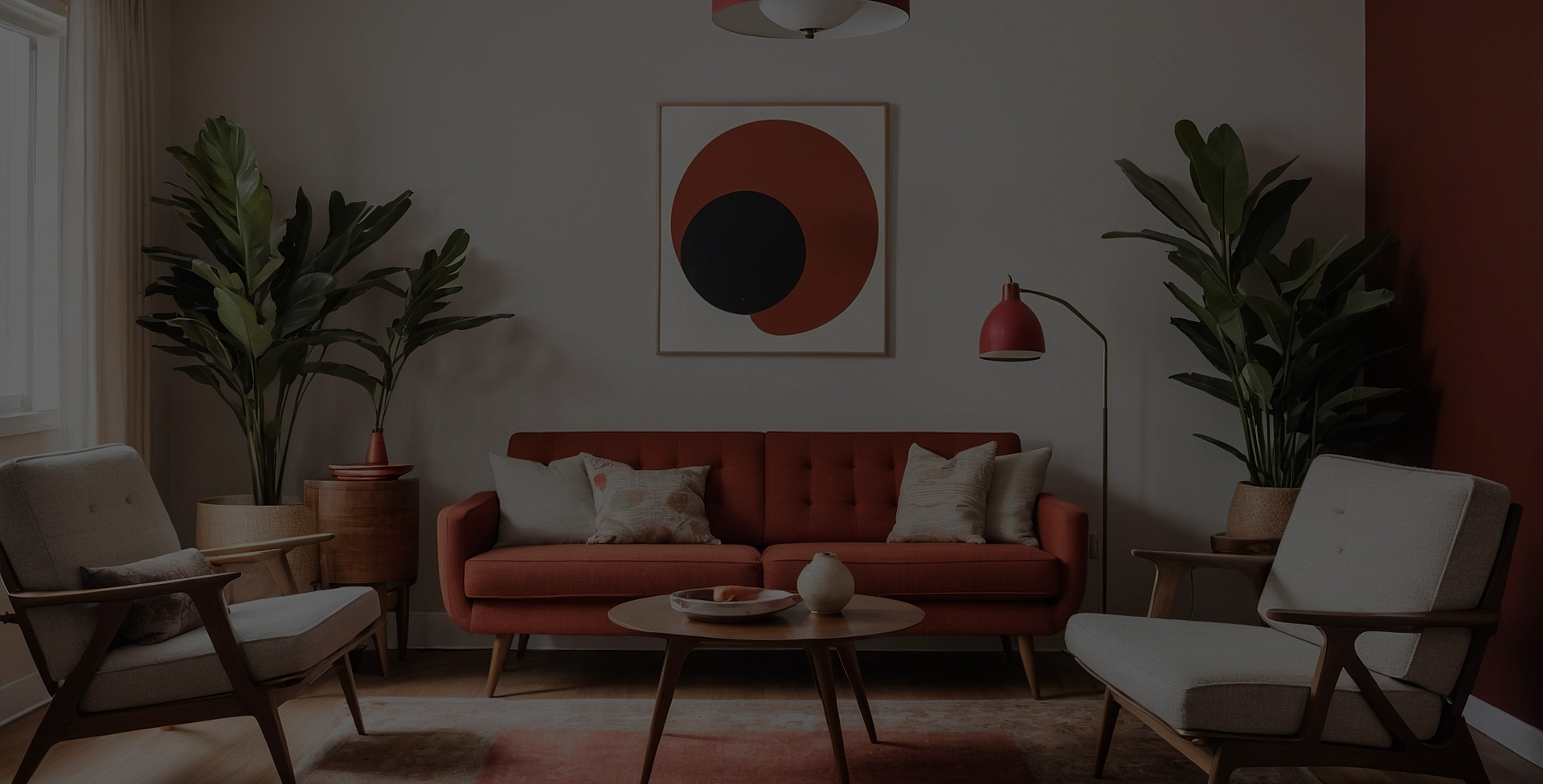
Transforming spaces into personal sanctuaries
Interior design goes beyond aesthetics; it shapes how people experience their daily environment, blending functional living spaces with personal expression to create a harmonious atmosphere.
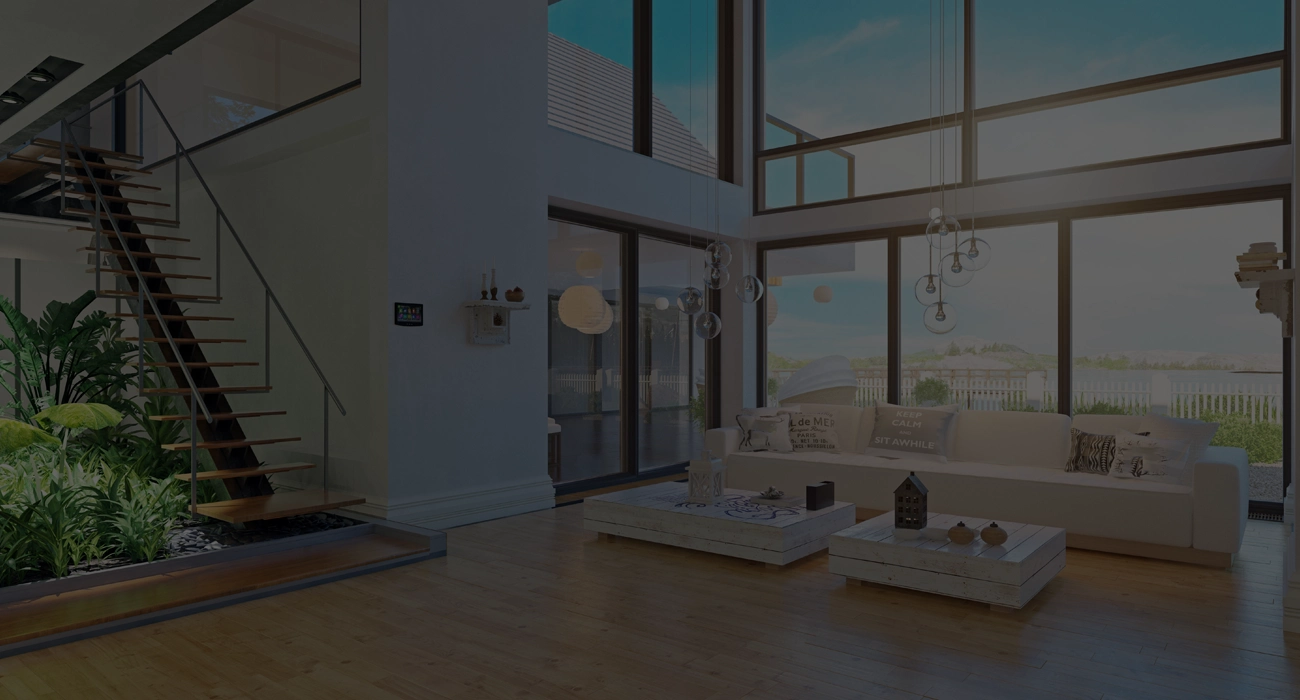
Defining the home universe
Every residence tells a unique story through its residential layout and interior atmosphere. Creating a cohesive home environment involves balancing architectural constraints with the desired emotional tone of its inhabitants.
Essential furniture categories for every function
Selecting the right pieces requires analyzing both the spatial footprint and the intended function of each item within the room circulation.
Sofas anchor the living room, providing a central gathering point, while ergonomic dining tables support comfortable social interactions. In the bedroom, the bed frame guides the layout, whereas modular storage units adapt to changing needs and help reduce clutter efficiently.
Exploring major decorative styles and trends
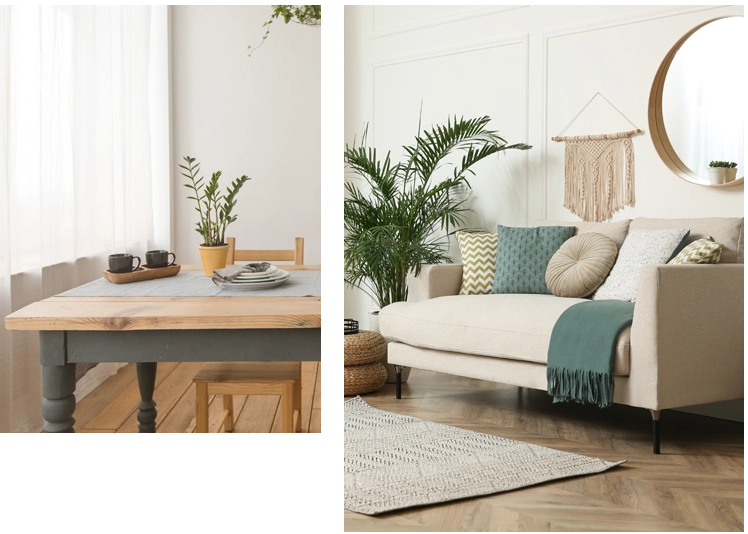
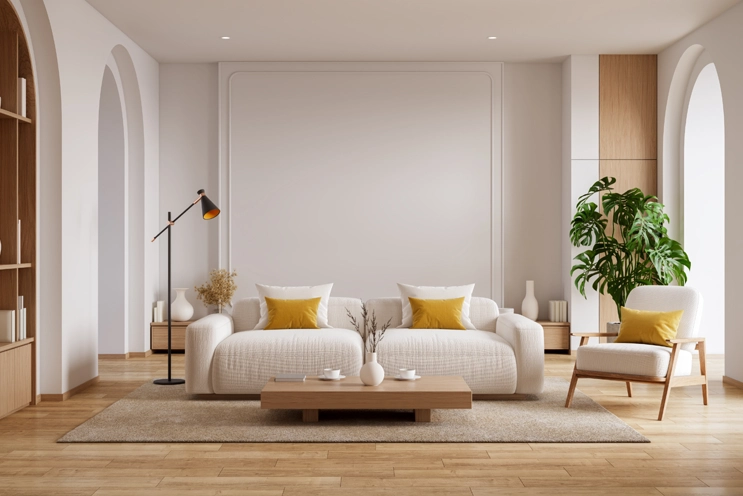
From the clean lines of minimalism to the warmth of rustic aesthetics, choosing a coherent design language helps unify the visual elements throughout the property.
- Scandinavian simplicity and light
- Industrial raw material usage
- Bohemian eclectic texture mix
- Mid-century modern geometric forms
Curating decorative objects
Decorative accessories add the finishing touches that bring personality to a room. These details bridge the gap between everyday function and artistic expression.

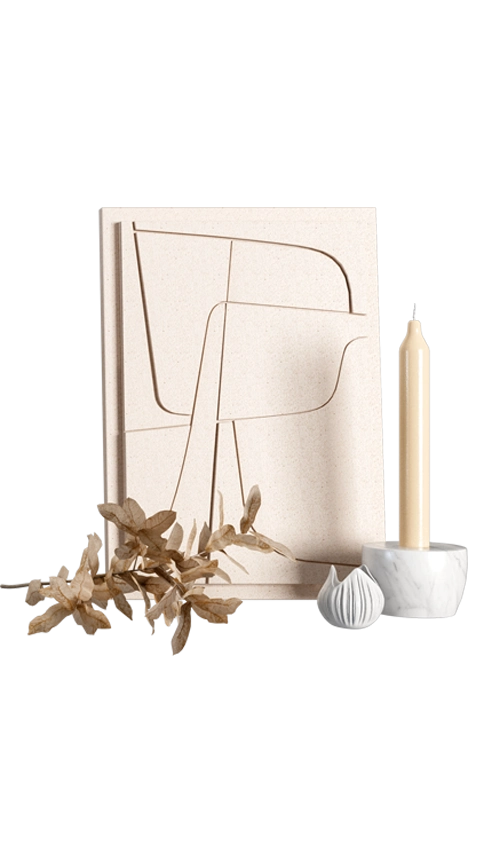

Sculptural ceramic vases
Handcrafted pottery adds organic shapes and tactile character to shelves.

Soft throw blankets
Layered textiles bring warmth and comfort to seating areas.

Indoor greenery pots
Indoor plants introduce vitality and natural color contrast.


Abstract wall art
Large canvases create compelling visual focal points on open walls.

Geometric table lamps
Lighting fixtures serve as sculptural focal points while adding ambient illumination.

Decorative mirror frames
Mirrors visually expand space and reflect ambient light.
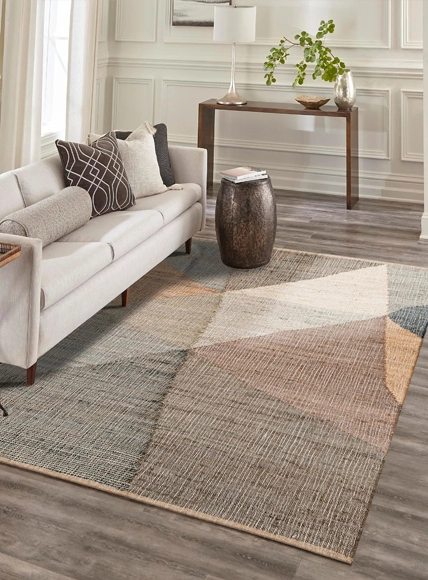
Woven floor rugs
Wool rugs ground furniture arrangements and define functional zones.
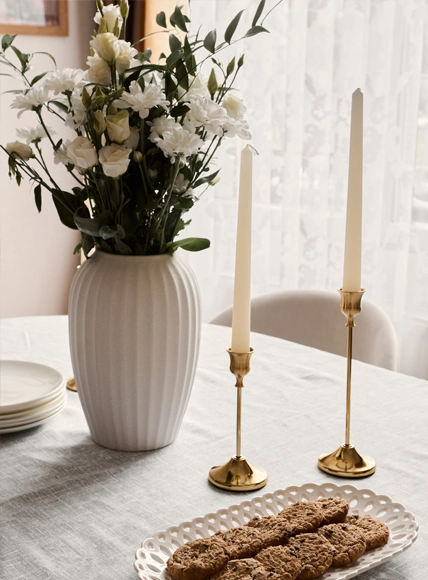
Brass candle holders
Metal accents add subtle elegance and warm reflections during evening hours.
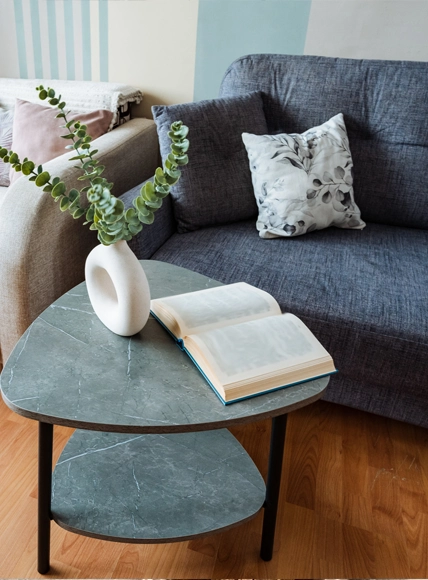
Curated coffee books
Stacked volumes add cultural character and visual interest.
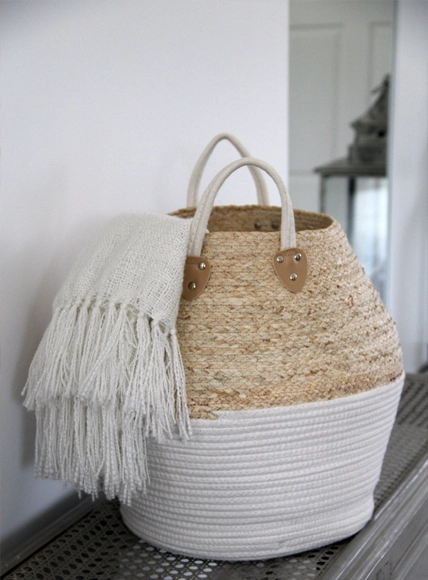
Woven storage baskets
Woven baskets conceal clutter while adding natural texture to the room.
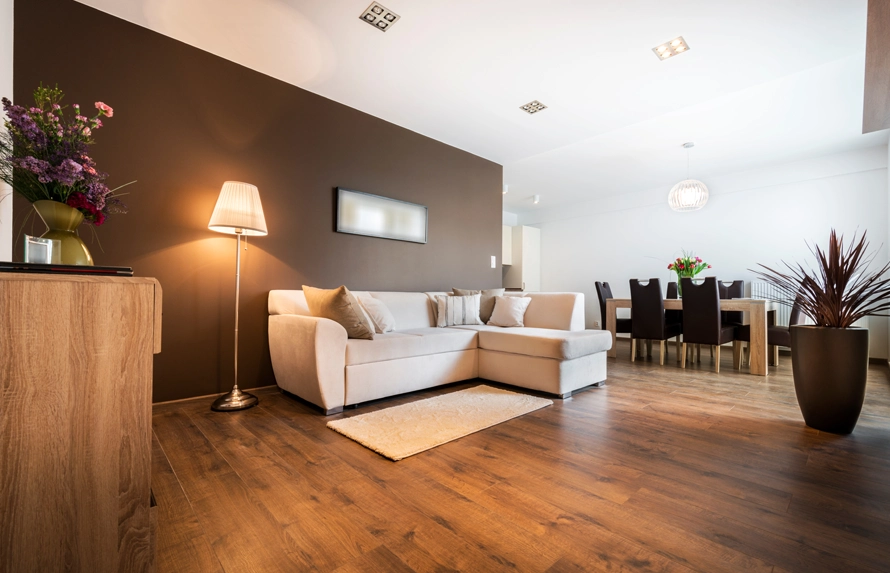
AESTHETICS
Selecting materials and surface finishes
The tactile quality of a room depends heavily on its chosen materials. Combining rough textures with smooth surfaces creates visual depth and prevents the interior from feeling flat.
- Natural oak flooring durability
- Polished concrete industrial look
- Velvet upholstery soft touch
- Marble countertop elegant veining
Room layout strategies
Effective room layouts require specific strategies for each area of the home. The goal is to improve circulation while respecting the primary function of every room.
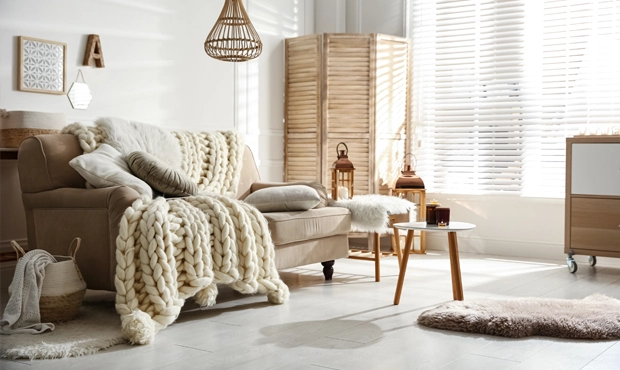
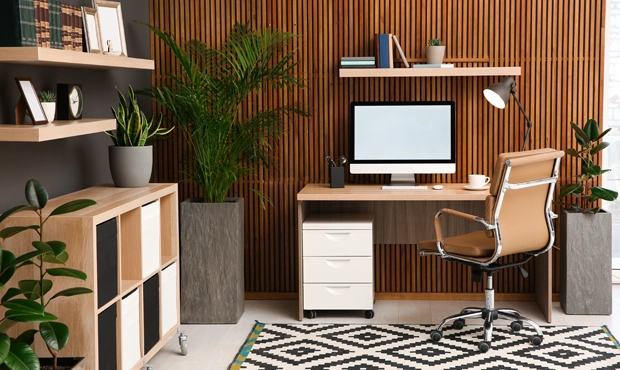
Cozy living room setup
Arranging seating around a fireplace or another focal point encourages conversation and relaxation in the main living area.
Functional home office design
Positioning the desk near natural light sources improves productivity and reduces eye strain during long working hours.
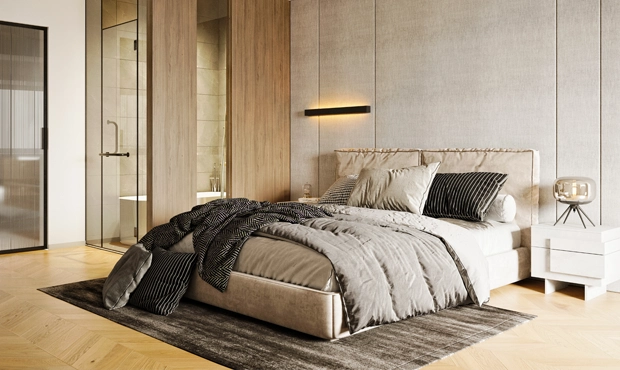
Serene master bedroom flow
Keeping pathways clear around the bed creates a tranquil bedroom atmosphere conducive to rest and recovery at night.